Understanding Baltic Timber Types
Which woods are available in Latvia and how they perform differently. We cover what makes Baltic timber special and how to choose the right wood for your project.
A practical breakdown of the five tools that'll get you through your first projects without breaking the bank.
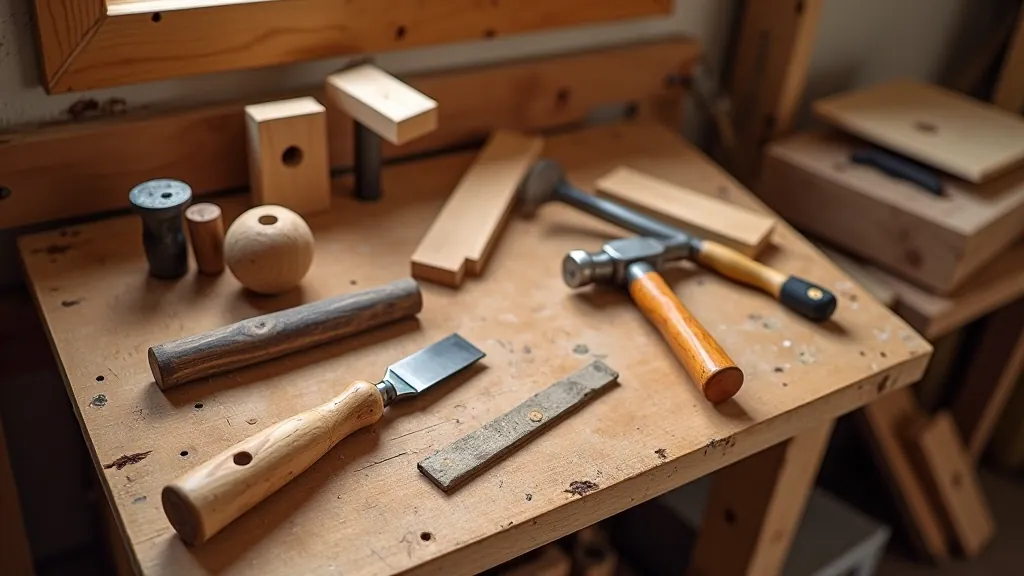

When you're just beginning, the tool aisle at a hardware store can feel overwhelming. There's a hammer that costs €8 and one that costs €80. Same goes for saws, chisels, and everything in between. Here's what you actually need to get started, and more importantly, what you can skip.
You don't need a workshop full of expensive equipment. Most beginners can complete their first three projects with just five core tools. These aren't fancy — they're reliable, they're affordable, and they'll teach you the fundamentals. After that, you'll know exactly what specialized tools you actually want to invest in.
A crosscut saw with a 20-inch blade will handle 90% of your cutting work. It doesn't need to be fancy — look for one with comfortable grip and teeth that aren't dull. Around €15-25 gets you something solid. You'll use this more than anything else in your early projects.
A 16-ounce claw hammer is the sweet spot for beginners. Heavy enough to drive nails without extra swings, light enough you won't get tired. The claw end lets you remove nails when you inevitably place them wrong. €10-18 buys you something that'll last years.
This single tool checks if edges are square, marks lines, measures depths, and acts as a straightedge. It's the most versatile measuring tool you'll own. A 12-inch stainless steel one costs €12-20 and becomes indispensable once you realize how often you'll reach for it.
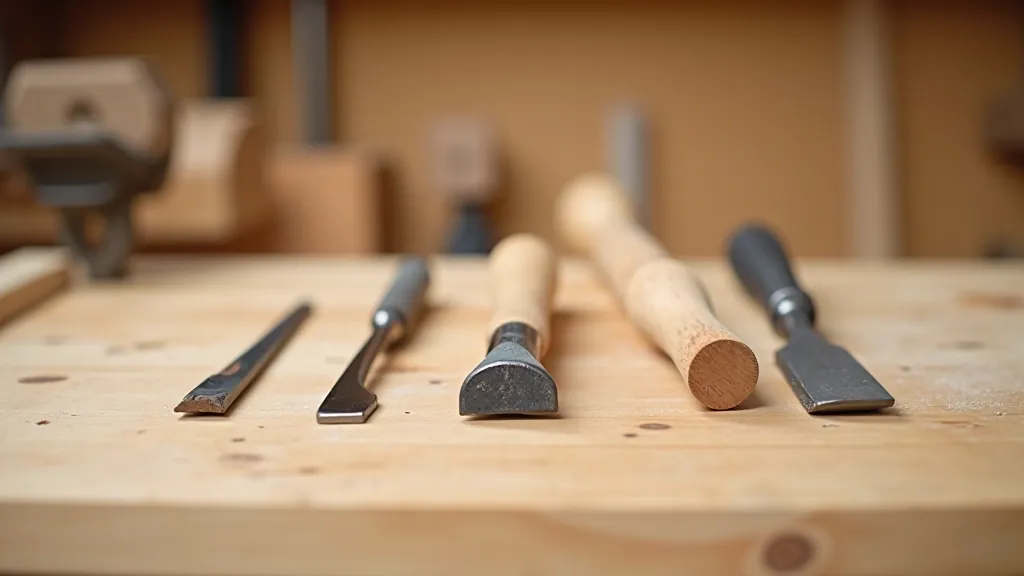
Start with 1/4-inch, 1/2-inch, 3/4-inch, and 1-inch chisels. You'll use them for detail work, removing waste, and fitting joints. A beginner set runs €20-35 and teaches you precision work that hand tools demand. Sharp chisels are safer and more satisfying than dull ones.
A 6-inch block plane smooths edges, trims end grain, and shaves wood to fit. It's compact, it's intuitive to use, and it teaches you how sharp tools should feel. Around €25-40 gets you one that'll work beautifully for years. This tool makes a real difference in finishing quality.
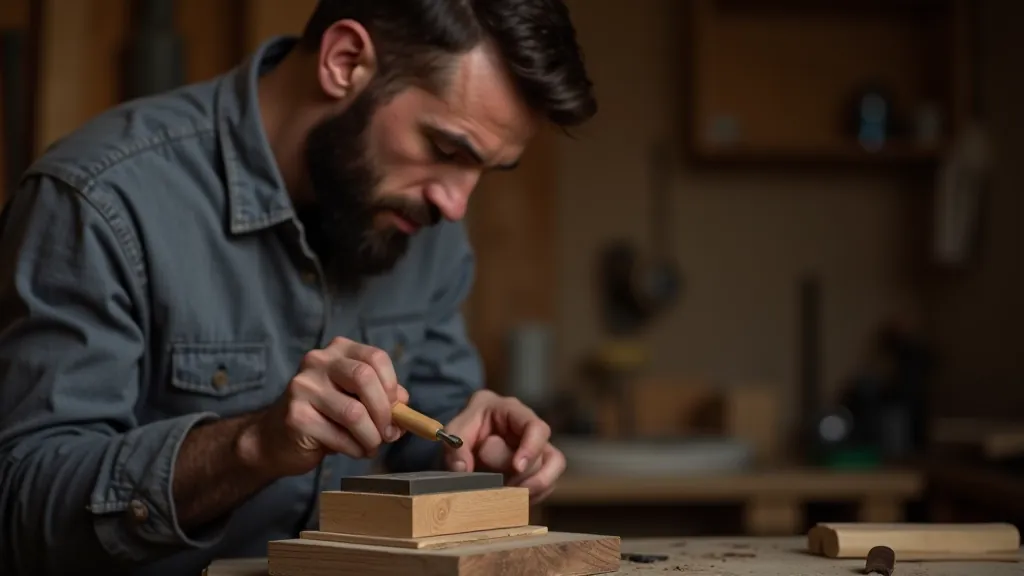
It's tempting to jump straight to power tools. They're faster, they seem easier, and they look impressive. But here's the thing — hand tools teach you the fundamentals. When you're using a hand saw, you feel the wood. You understand grain direction. You develop an instinct for how the wood wants to move.
Power tools are louder, they create more mess, and they don't forgive mistakes as gracefully. Hand tools are quiet, they let you work at your own pace, and they're incredibly forgiving when you're learning. You'll develop better technique faster with hand tools than you would jumping into a miter saw.
Plus, there's something satisfying about working with hand tools. No electricity, no cords, just you and the wood. Many experienced woodworkers still prefer hand tools for detail work and finishing, even though they have full workshops with every power tool available.
This article provides educational information about hand tools for woodworking beginners. Always wear appropriate safety gear — eye protection and work gloves are non-negotiable. Sharp tools are safer than dull ones, but they demand respect. If you're new to woodworking, consider working in a supervised environment or taking a short workshop course. Different projects have different safety considerations, and experienced instructors can help you develop safe habits from day one.
A dull tool is frustrating and dangerous. Keep your saw teeth clean with a soft brush — sawdust buildup makes cutting harder. Wipe your chisels and plane after use, and store them somewhere they won't get dinged. A leather edge guard for your chisel costs €5 and prevents damage.
Learn to sharpen early. A whetstone or sharpening stone (€20-35) is one of your best investments. Spending 5 minutes every few weeks keeping your tools sharp saves you hours of frustration. There are plenty of free tutorials online, and sharpening becomes meditative once you get the hang of it.
Store your tools carefully. A basic wall-mounted rack or wooden toolbox keeps everything organized and accessible. You'll develop favorites — certain chisels you reach for first, a hammer that just feels right in your hand. That's how you know you're developing real skills.
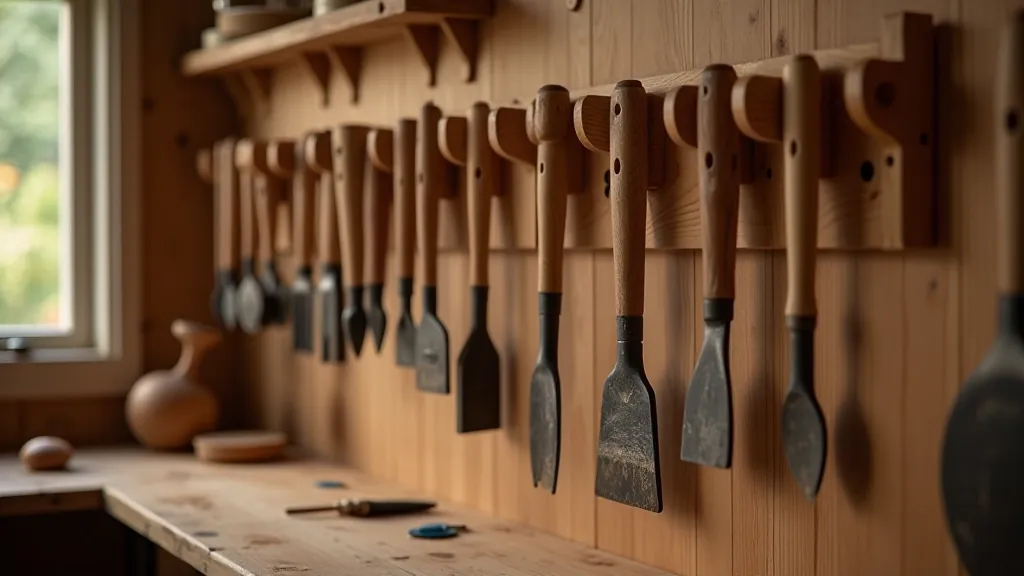
With these five tools and maybe €100 total investment, you can build cutting boards, simple shelves, wooden boxes, and small furniture pieces. That's not exaggeration — it's exactly what thousands of beginners have done. The tools themselves are humble. The results you'll create are genuinely impressive.
Start here. Get comfortable with these fundamentals. Once you've completed a few projects and figured out which tools you reach for most often, then you'll know what to buy next. You won't waste money on tools you don't need. And you'll have developed real, transferable skills that make every future project easier and more enjoyable.
Woodworking isn't about having the fanciest equipment. It's about understanding wood, respecting your tools, and taking your time. These five hand tools are your invitation to start that journey. The rest is just practice and patience.