
Why Safety Isn't Optional
You're excited to get started with woodworking. New tools are shiny, projects look achievable, and you can already picture the finished piece sitting in your home. But here's the thing — if you skip safety setup, you're risking injuries that could put you out of the hobby for weeks or months.
Safety isn't some boring checkbox. It's actually what lets you relax and focus on your craft. When you know your workspace is set up properly and you're wearing the right protection, you can stop worrying about accidents and just enjoy the work.
The good news? You don't need expensive gear or a massive budget. Most essential safety equipment costs under €50 total. What matters is developing good habits from day one.
The Five Pieces of Gear You Actually Need
When you walk into a workshop, you'll see people wearing different things depending on what they're doing. But there are five pieces of gear that should always be on hand, no matter what project you're tackling.
Safety Glasses
This is non-negotiable. Flying wood chips, dust, and sawdust particles happen constantly. You'll wear these during every session — cutting, sanding, hand planing. Get ones that fit comfortably because you won't wear them if they're uncomfortable. Most cost €8-15.
Work Gloves
Not for everything, but for rough work and handling sharp materials. Leather gloves work well. You don't want to wear them on power tools, but for hand planing, carrying rough lumber, or working with sharp edges, they're protective. €6-12 for a decent pair.
Dust Mask or Respirator
Sawdust builds up fast, especially if you're sanding. A basic N95 mask helps, but if you're doing regular work, a reusable respirator is worth it. You're breathing in particles for hours — protect your lungs. €15-30.

Setting Up Your Workspace Right
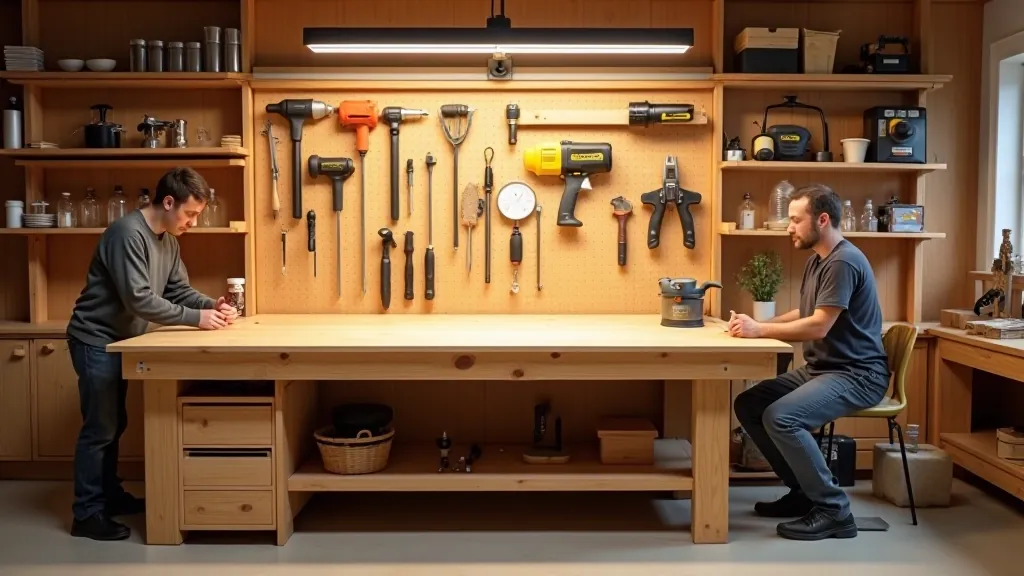
Where you work matters as much as what you wear. A bad workspace setup creates problems that safety gear can't fully protect against.
Lighting
You need to see what you're doing. Shadows and poor visibility cause mistakes and accidents. If your workshop is dark, add some LED strips or a bright overhead light. Cost: €15-40. It's one of the best investments you'll make.
Clear Floor Space
Don't let wood scraps, sawdust piles, or tools clutter your floor. You'll trip, kick things into power tools, or lose your balance. Spend 5 minutes at the end of each session sweeping. It's not just about safety — it keeps your focus on the work.
Tool Storage
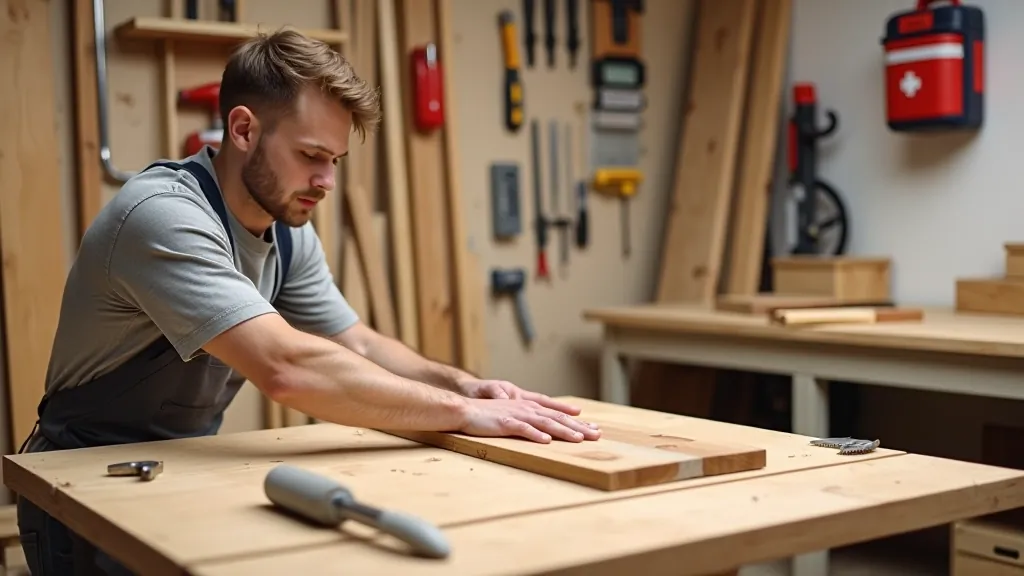
Tools scattered around aren't just messy — they're dangerous. You'll grab the wrong thing in a hurry or step on something sharp. A wall-mounted rack for hand tools costs €20-40 and keeps everything visible and accessible.
Habits That Keep You Safe
Equipment helps, but habits are what actually protect you day to day. These are the routines that experienced woodworkers develop over years — but you can start them now.
Slow Down Before You Start
Take 30 seconds before cutting, sanding, or using a tool. Check your setup. Make sure your workpiece is secure. Verify that the tool is set correctly. Rushing is when accidents happen. Most injuries happen on quick cuts or "just one more thing" at the end of a session.
Maintain Your Tools
Dull blades are dangerous — they bind up and kick back. Loose tool heads can fly off. Frayed cords can cause shocks. Spend 10 minutes a week checking your tools. Sharpen blades. Tighten bolts. Replace worn cords. This doesn't take much time, but it prevents most tool-related accidents.
Stay Focused
Don't work when you're tired, distracted, or frustrated. If you've had a long day or you're angry about something, step away. Woodworking requires attention. Your mind needs to be in the moment. It's not rushing the work that's the problem — it's not being present.
The Bottom Line
Safety isn't something that stops you from enjoying woodworking. It's what lets you keep enjoying it long-term. When you set things up right and develop good habits, accidents become rare. You'll focus on your projects instead of worrying about what could go wrong.
Start simple. Get basic safety glasses and a dust mask. Organize your workspace so it's clean and well-lit. Then build habits — take your time, maintain your tools, stay focused. That's really it. You're not looking for perfection. You're building a practice that keeps you safe and healthy year after year.
Ready to learn what tools you actually need to start?
Read Essential Hand Tools Every Beginner Needs