
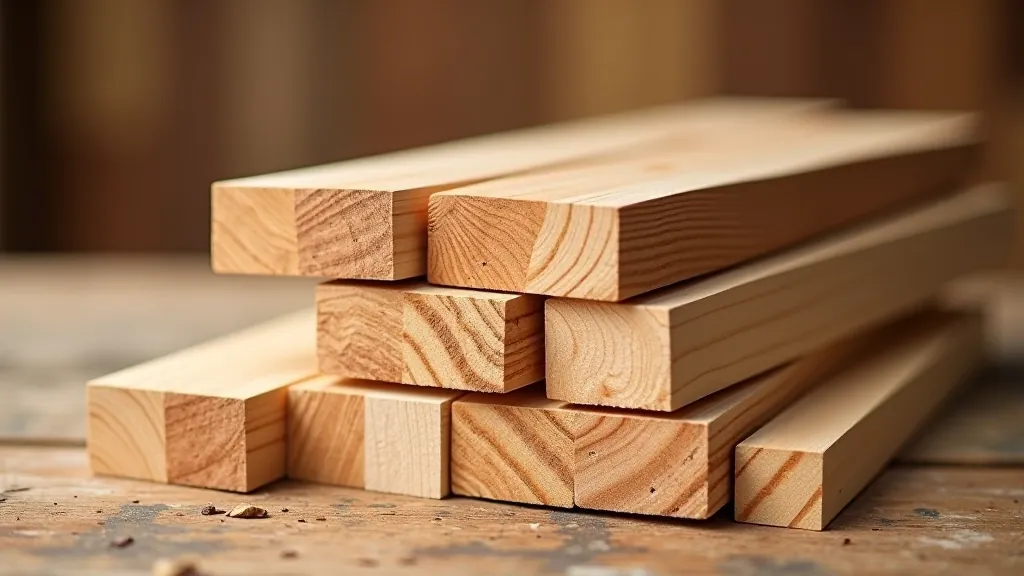
Understanding Baltic Timber Types
Which woods are available in Latvia and how they perform differently. We cover workability, durability, and cost for each type.
Learn MoreDiscover Baltic timber, master essential tools, and build real projects — from your first cuts to finished furniture.
Find what you need in seconds
What people say about learning woodworking
"I wasn't sure I could actually make furniture — seemed way too technical. But after reading through the Baltic timber guide and starting with simple projects, it's clicked. I've finished three cutting boards now and they don't look half bad. The safety tips alone saved me from a couple mistakes I'd have definitely made."
Real, practical knowledge for Baltic woodworking
Learning woodworking in Latvia means understanding the timber that's actually available to you. We don't teach generic techniques — we cover spruce, pine, birch, and oak because that's what's here. You'll know which woods work for which projects instead of guessing.
Building anything starts with the right tools , and you don't need expensive equipment. We focus on essential hand tools that work well, cost reasonably, and last decades. You'll understand what each tool actually does instead of buying random items.
Your first projects matter . We guide you through beginner builds that teach real skills — cutting boards, simple boxes, shelves. They're not trivial, but they're doable. You'll finish something you actually made.
Safety isn't boring — it's how you stay healthy and keep working long-term. Proper stance, workshop setup, and protective habits are woven into everything. You'll develop good practices from day one.
Popular guides for beginners
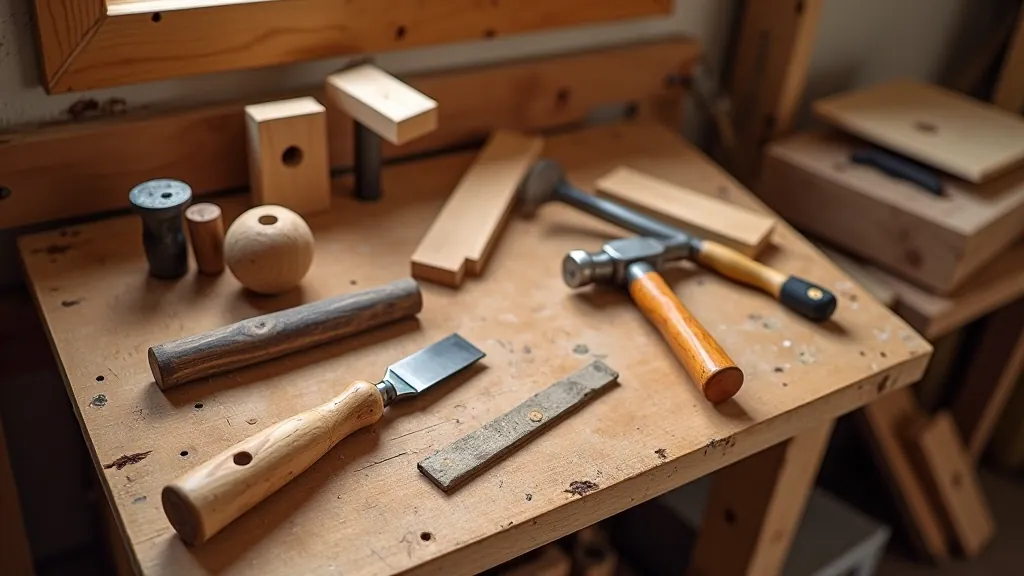
A practical breakdown of the five tools that'll get you through your first projects without breaking the bank.
Read Full Guide
Which woods are available in Latvia and how they perform differently. We cover workability, durability, and cost for each type.
Learn More
Safety gear, workspace setup, and habits that keep you healthy. It's not boring — it's how you stay in the hobby long-term.
See Guide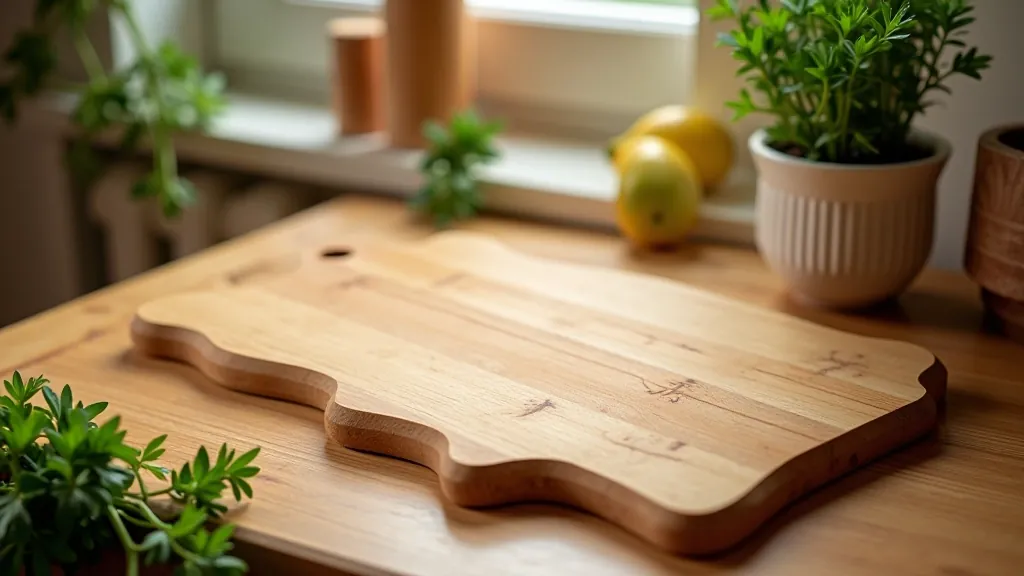
Step-by-step instructions for your first real project. You'll learn measuring, cutting, sanding, and finishing in one afternoon.
Start BuildingFour stages from beginner to confident maker
Learn which Baltic timbers work best and why. Know your options before you buy.
Acquire the five core hand tools. We explain what each does and how to use it safely.
Complete your first project with detailed guidance. You'll finish with something functional.
Take on more complex projects. You'll have the foundation to experiment and improve.
Experienced woodworkers who actually make things

Lead Instructor
15 years making furniture and teaching others. Started with hand tools, still prefers them. Based in Riga.
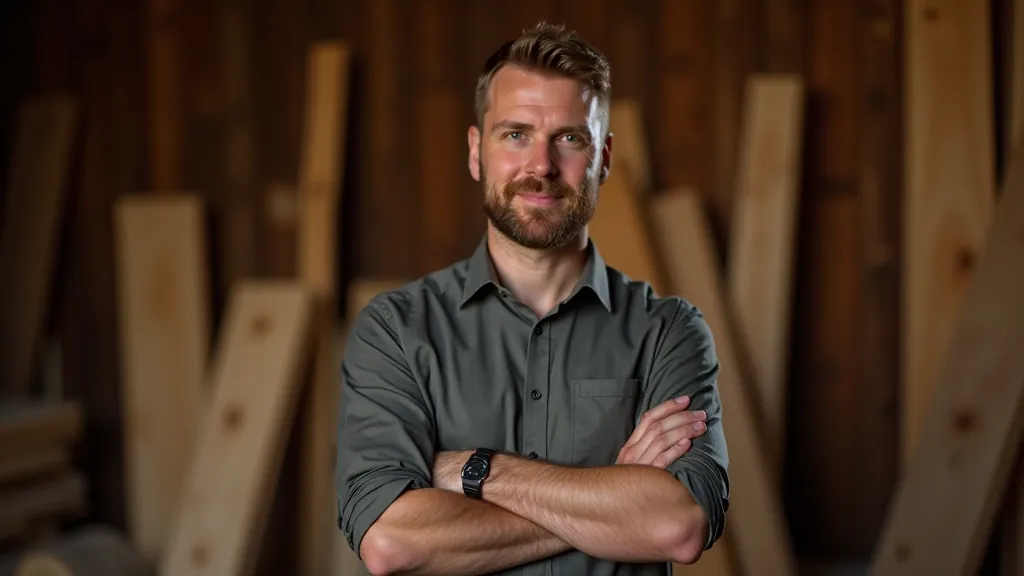
Timber Specialist
Wood sourcing and selection expert. Works directly with local mills. Knows every type available in Latvia.

Safety Coordinator
Former occupational health specialist. Developed all safety protocols. Takes workshop safety seriously.
Common questions from people starting out
No. We focus on five essential hand tools that cost reasonably and last for years. Most beginners spend less than 50 euros getting started with quality basics. You can always add specialized tools later as your projects grow more complex.
You don't need a dedicated workshop. Many people work on a sturdy table with good lighting. The key is a flat, stable surface and proper organization. We cover workspace setup in our guides so you can make the most of whatever space you have.
A cutting board typically takes a few hours of actual work time, though it depends on your pace. Most beginners spread it across a weekend or two, taking breaks between steps. The important thing is not rushing — taking time to get each step right builds better habits.
Pine and spruce are excellent starting points. They're soft enough to work easily, available locally, and affordable. As you gain confidence, birch and oak offer more challenge and beautiful results. Our timber guide covers the pros and cons of each for different project types.
Any craft with tools carries some risk, but the danger is manageable with proper technique and safety habits. We cover everything — from how to hold tools correctly to workspace setup to protective gear. Most injuries happen from rushing or carelessness, both avoidable.
Yes, many people do. Our guides include detailed instructions, material lists, and safety information. That said, having someone experienced nearby for questions helps tremendously. We provide contact information if you want guidance beyond the written resources.
Work from our community of makers
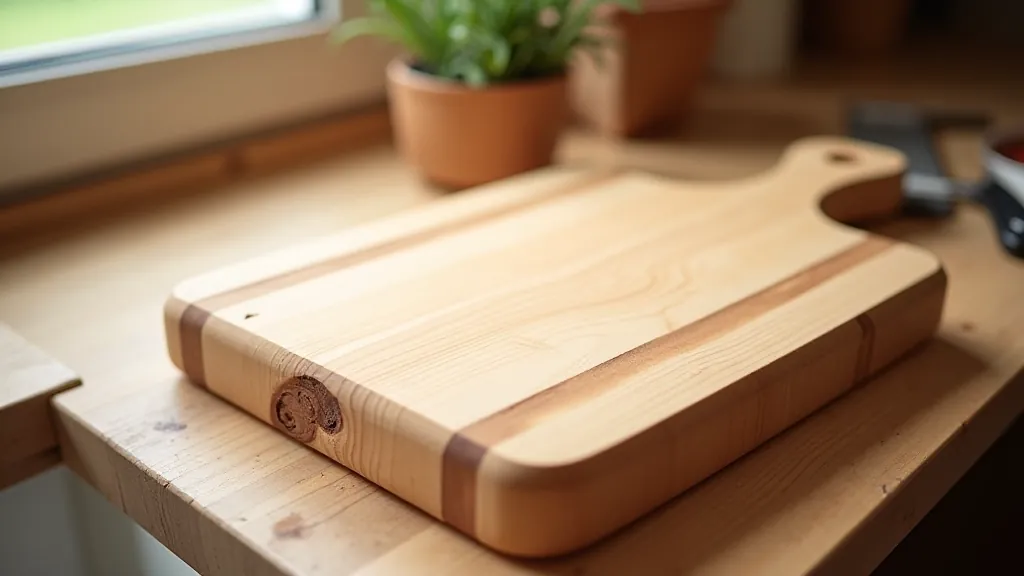

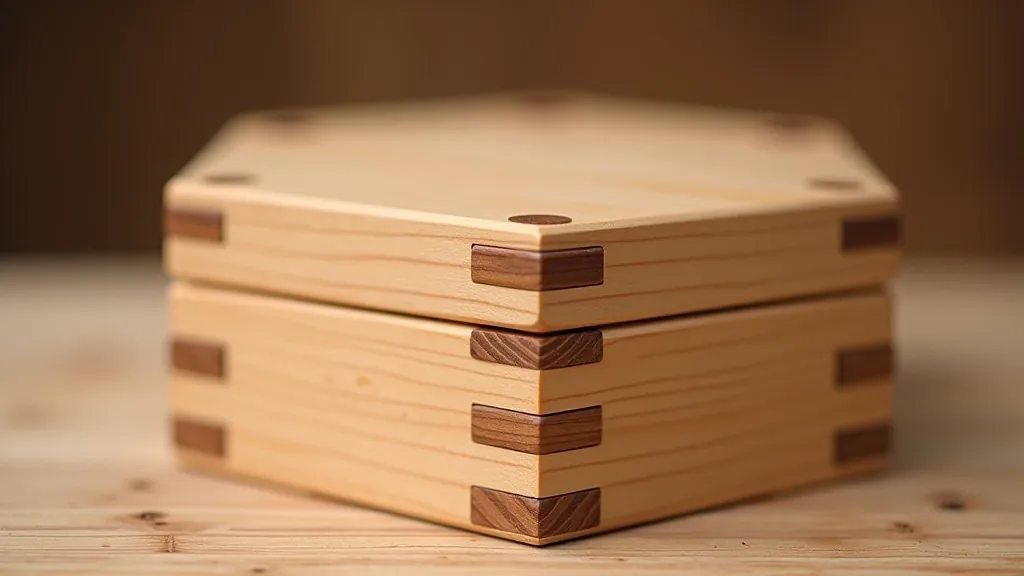
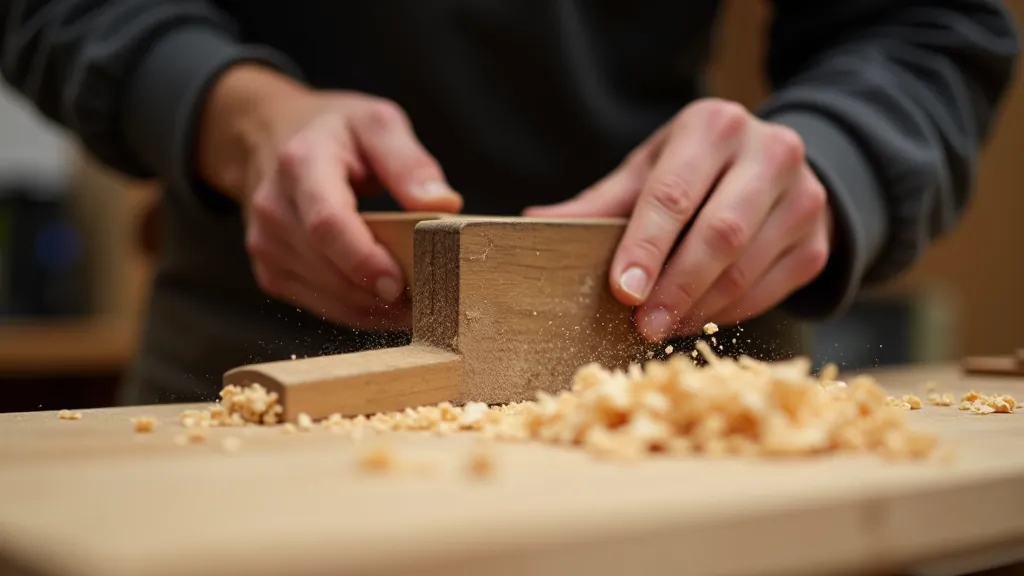
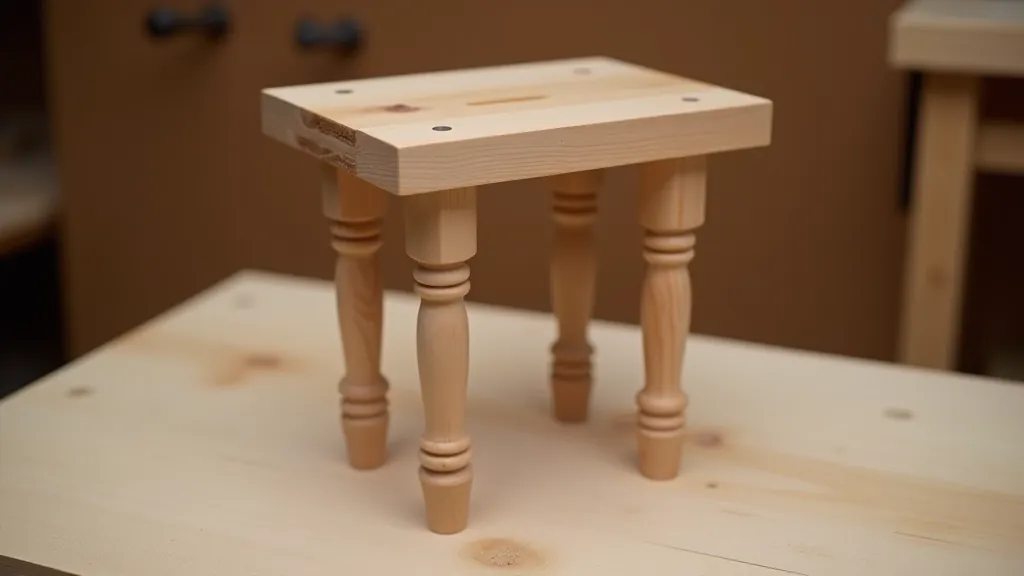
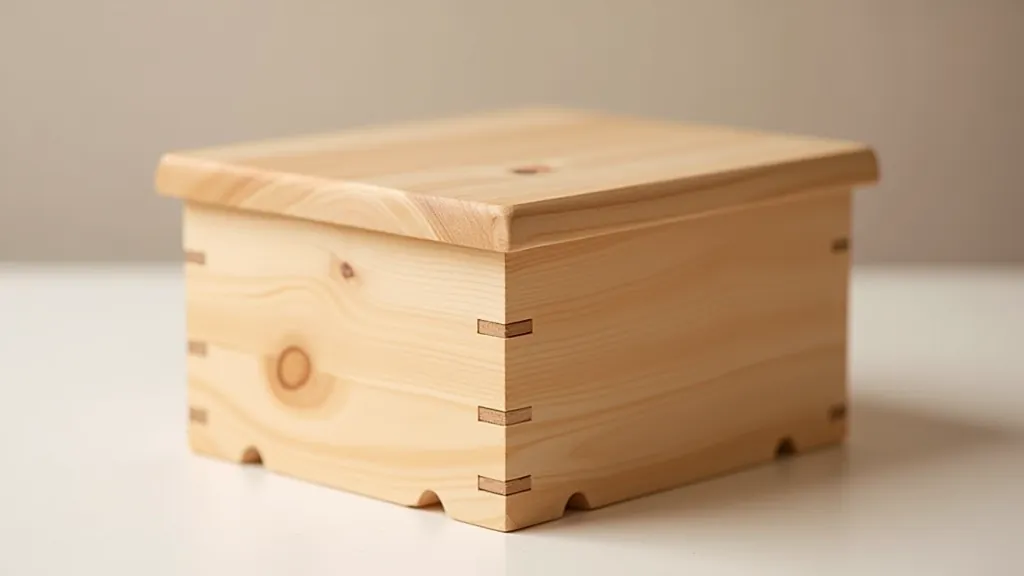
People learning woodworking through our resources
Organizations that support woodworking education in Latvia
Riga Timber Association
Latvian Crafts Council
Baltic Wood Producers
Safety Institute Latvia